How to Trap Feral Hogs Best Feral Hog Trap Cost of Feral Hog Damage Texas

How to Trap Feral Hogs – Best Feral Hog Trap & Cost of Feral Hog Damage Texas

Understanding how to trap feral hogs is one of the most important steps landowners can take to protect property across Texas. Feral hog populations continue growing rapidly throughout the state, creating serious problems for ranch owners, farmers, and rural landowners. These animals are highly destructive and capable of damaging large sections of land within only a few nights.

Many property owners begin searching for how to trap feral hogs after noticing rooted soil, destroyed pasture areas, damaged crops, or increased nighttime activity. Unfortunately, trapping hogs is not as simple as placing a basic trap on the property. Feral hogs are intelligent animals that quickly learn from failed trapping attempts, which means poor methods often make the problem more difficult over time.

At Weaver Wildlife, we help landowners understand how to trap feral hogs properly, choose the best feral hog trap systems, and reduce the long-term cost of feral hog damage Texas properties continue facing every year.

Understanding How to Trap Feral Hogs Properly

Learning how to trap feral hogs successfully begins with understanding their behavior. Feral hogs travel in groups known as sounders, and these groups often move together while feeding and traveling across a property.

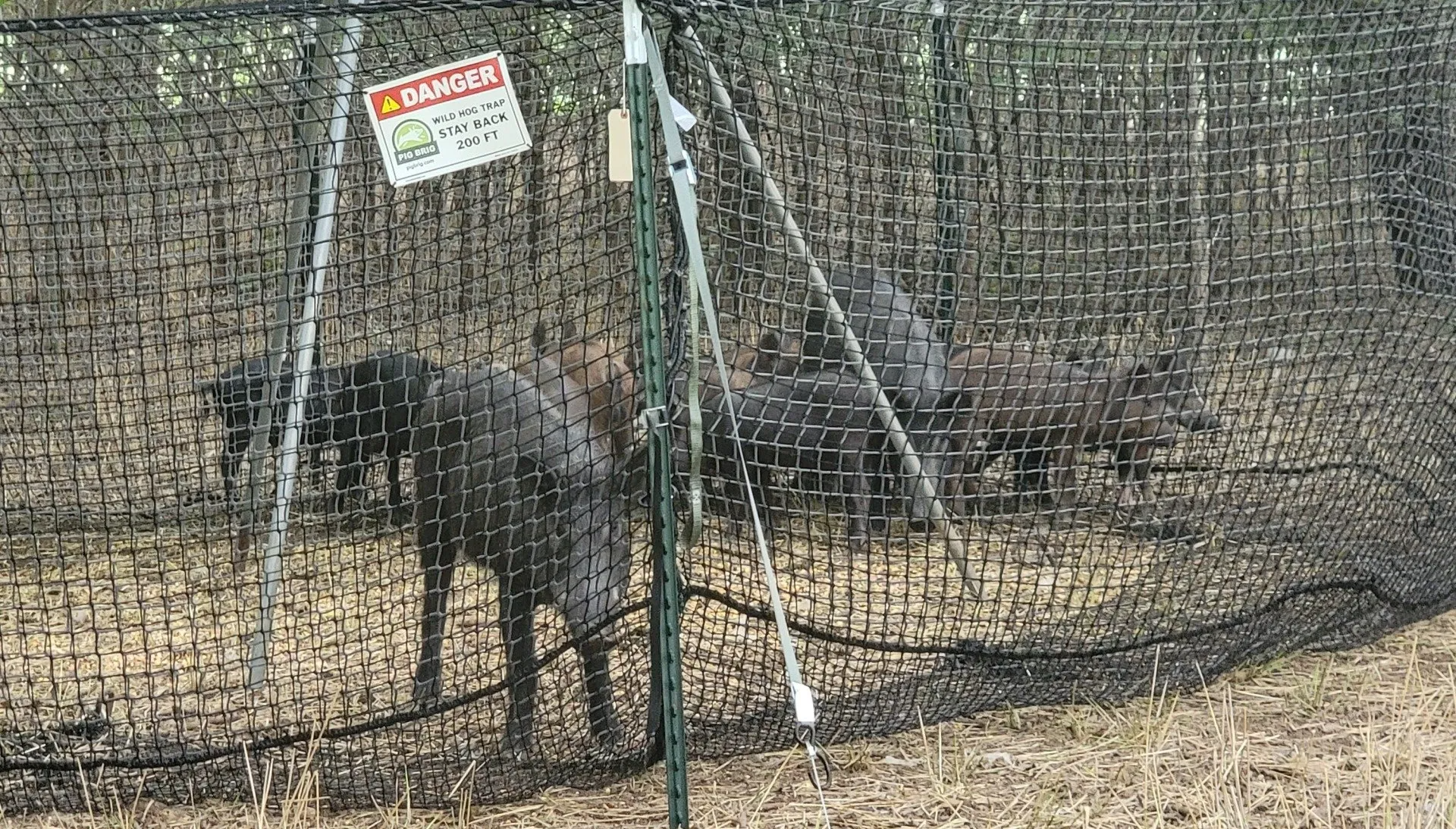
One of the biggest mistakes landowners make when learning how to trap feral hogs is attempting to capture individual animals instead of the entire group. Capturing only one or two hogs usually causes the remaining animals to become cautious and avoid traps completely.

Successful trapping methods focus on capturing the entire sounder at one time. This requires proper planning, strategic trap placement, and patience during the trapping process.

Pre-baiting is one of the most important parts of how to trap feral hogs effectively. During this stage, bait is placed inside the trap area while allowing the hogs to enter and exit freely for several days. This helps the animals become comfortable feeding inside the trap before activation.

Monitoring hog movement patterns is also critical. Traps should be placed in high-activity areas near feeding zones, travel routes, or water sources where hogs naturally gather.

Using proven trapping strategies significantly increases success rates and helps reduce future infestations.

Choosing the Best Feral Hog Trap

Selecting the best feral hog trap is one of the most important decisions for long-term hog control. Not all traps are built for real ranch conditions, and using weak or poorly designed systems often leads to failed captures and damaged equipment.

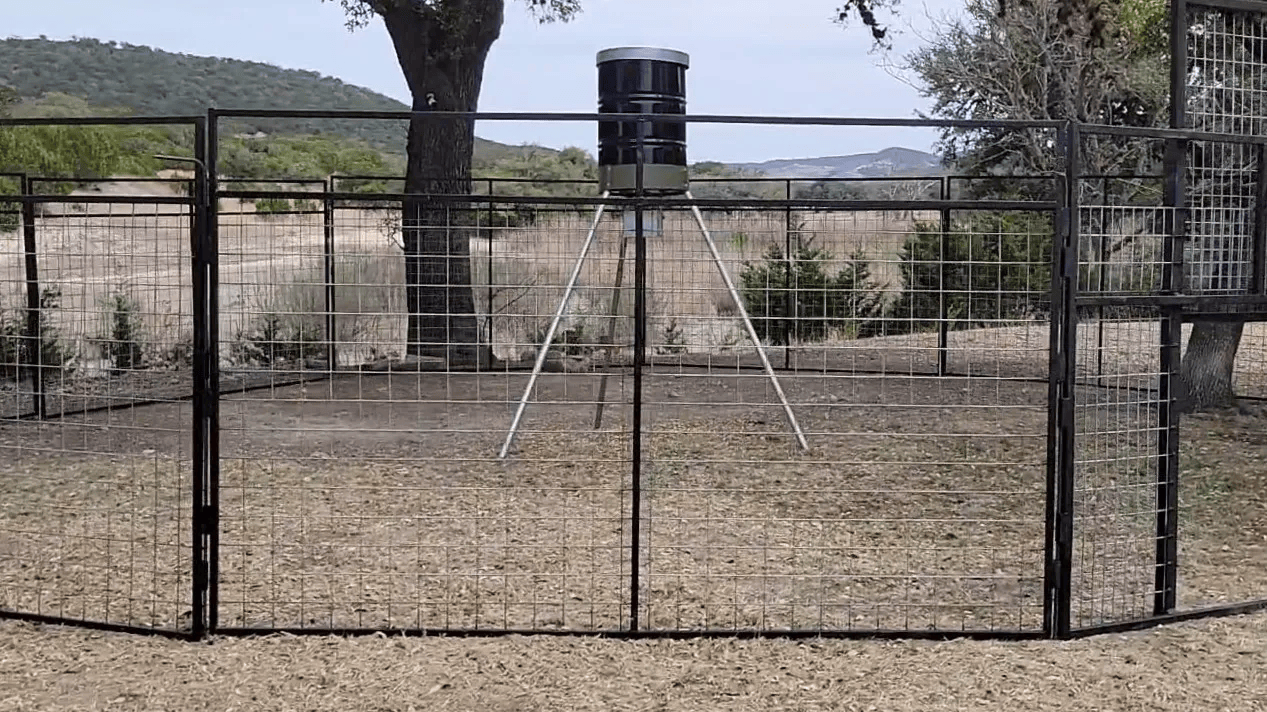
The best feral hog trap systems are typically heavy-duty corral traps designed to capture multiple hogs at once. These traps use strong steel panels and secure gate systems capable of handling large groups of feral hogs under harsh outdoor conditions.

Many landowners prefer guillotine or drop gate systems because they close quickly and help prevent escapes once the trap is triggered. Modern cellular monitoring systems can also improve trapping success by allowing landowners to monitor hog activity remotely and activate the trap at the right time.

Using the best feral hog trap available increases trapping efficiency, reduces labor, and improves long-term population control. While quality trapping systems may cost more initially, they often save money over time by preventing repeated land damage and reducing ongoing repair expenses.

Cost of Feral Hog Damage Texas Landowners Face

The cost of feral hog damage Texas property owners experience continues increasing every year. Many landowners underestimate how quickly feral hogs can destroy large sections of land, crops, and infrastructure.

Feral hog rooting damages grass, weakens soil structure, destroys vegetation, and creates unsafe ground conditions for livestock and equipment. Agricultural land often suffers significant crop loss due to feeding and trampling activity.

Feral hogs also damage fencing, irrigation systems, water sources, and natural habitats. Some properties experience thousands of dollars in repair costs within only a short period of time.

The cost of feral hog damage Texas ranches and farms face often becomes much higher than the cost of investing in proper trapping systems early. Delaying action allows populations to grow larger, which increases both property damage and future control costs.

By learning how to trap feral hogs properly and using the best feral hog trap systems available, landowners can reduce long-term expenses and protect their property more effectively.
Common Mistakes When Trapping Feral Hogs

Many landowners struggle with hog control because of common trapping mistakes. One of the most frequent problems is using traps that are too small to capture entire groups.

Another issue is activating traps too early before the sounder becomes comfortable entering the trap area. Without proper pre-baiting, hogs may avoid the trap entirely after one failed attempt.

Poor trap placement also reduces success rates significantly. Traps placed away from major feeding or travel areas often fail to attract consistent hog activity.

Understanding how to trap feral hogs means avoiding these common mistakes and using proven methods designed specifically for feral hog behavior.

Professional Hog Control vs DIY Trapping

Some property owners attempt to manage hog problems themselves using homemade traps or basic equipment. While small problems may occasionally be controlled this way, larger infestations usually require professional equipment and experience.

Professional hog control services provide access to the best feral hog trap systems, advanced monitoring methods, and long-term management strategies designed for Texas ranch conditions.

Instead of relying on trial and error, professional trapping services focus on reducing the cost of feral hog damage Texas landowners face by using proven methods that deliver more consistent results.

Why Feral Hog Problems Continue Growing in Texas

Feral hog populations continue increasing across Texas because of several major factors. These animals reproduce extremely quickly, adapt easily to different environments, and have few natural predators capable of controlling their numbers.

Texas also provides abundant food sources, water access, and habitat conditions that support rapid population growth. Without proper trapping and management, feral hog populations can double within a short period of time.

This rapid growth makes learning how to trap feral hogs correctly even more important for protecting property long-term.

Get Professional Feral Hog Trapping Help Today

If you are dealing with hog damage on your property, waiting will only increase the cost of feral hog damage Texas landowners already face every year.

Weaver Wildlife can help you understand how to trap feral hogs correctly, select the best feral hog trap systems, and create an effective long-term hog control strategy for your property.

FAQs About Feral Hog Trapping & Damage

Successful trapping requires proper pre-baiting, strategic trap placement, and capturing entire sounders instead of individual animals.
Heavy-duty corral traps with drop gate systems are considered the most effective for long-term hog control.
Damage costs can range from hundreds to thousands of dollars depending on the severity of the infestation.
Yes, feral hogs are intelligent animals that require proper trapping strategies and equipment for successful capture.
Yes, professional trapping methods and equipment provide more reliable long-term results compared to basic DIY approaches.

Let’s Talk About Your Land & Wildlife Needs

We are a dedicated team focused on delivering practical solutions for land management, trapping, and custom fabrication with reliability and experience.